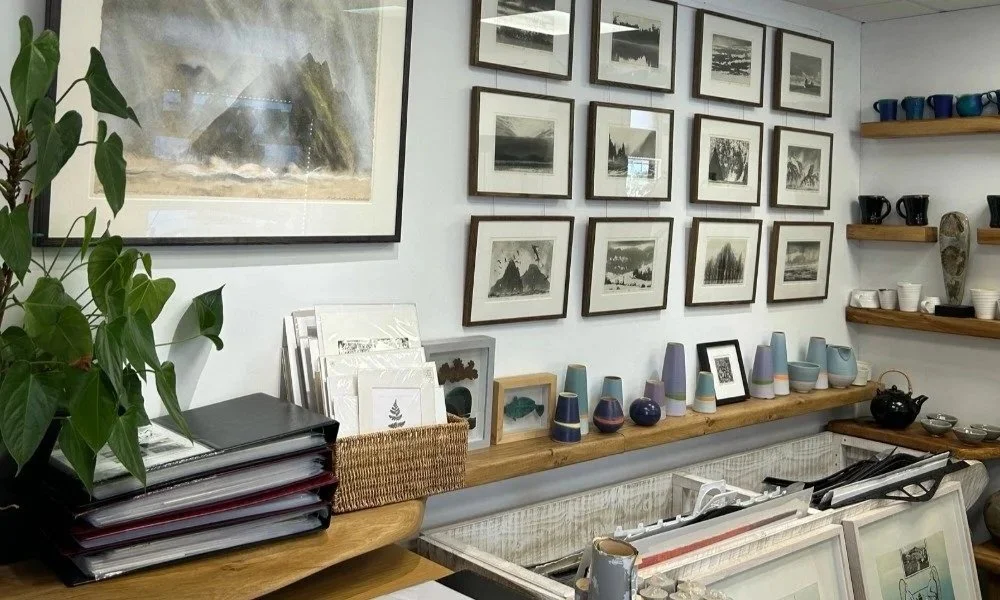
A History of Collecting.
Behind every collection is a story of discovery, judgement and a lasting appreciation of art. From works acquired over nearly thirty years at Brook Gallery to the remarkable legacy of the Futerman Collection, these collections reflect the people, relationships and convictions that have shaped them.
The Brook collection.
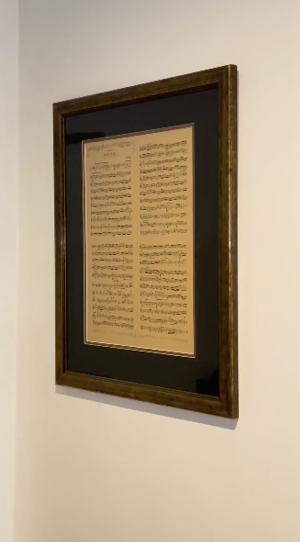
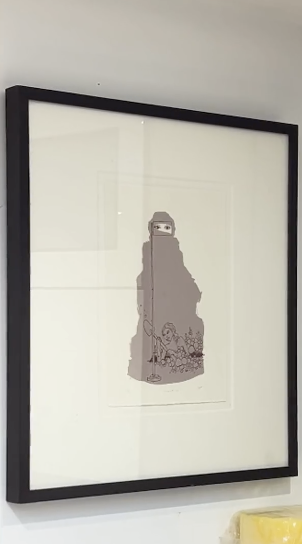
Galleries sell work on behalf of artists. Brook Gallery has always done that too, but since 1997 we have also bought work when compelled, or when funds have allowed. The Brook Collection is the result: nearly thirty years of prints that quite frankly it would be hard to live without!
Our collection spans the range of artists we have worked with, from members of the Royal Society of Painter-Printmakers to Royal Academicians, with a long-standing soft spot for Modern British work as you might expect. It includes etching, engraving, relief and lithography. Some pieces were bought at the start of an artist’s career and some at its height. None of them were bought to fill a wall.
We mention it because it says something useful. Buying an artist’s work is a different commitment from agreeing to sell it. It means we have looked at the work long enough to want to live with it Where an artist’s work is in the Brook Collection, that is our endorsement in the plainest possible terms.
We don’t publish a list. The collection reflects opportunity and circumstance as much as judgement, and an artist’s absence from it says nothing about their quality. It is simply the record of a gallery that has always put its money where its mouth is.
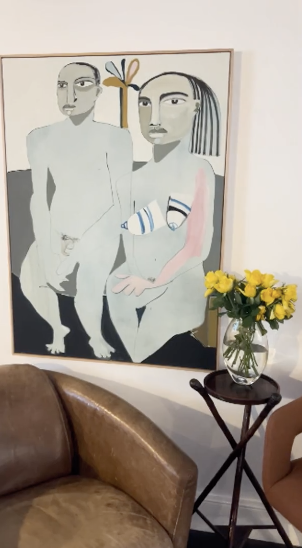
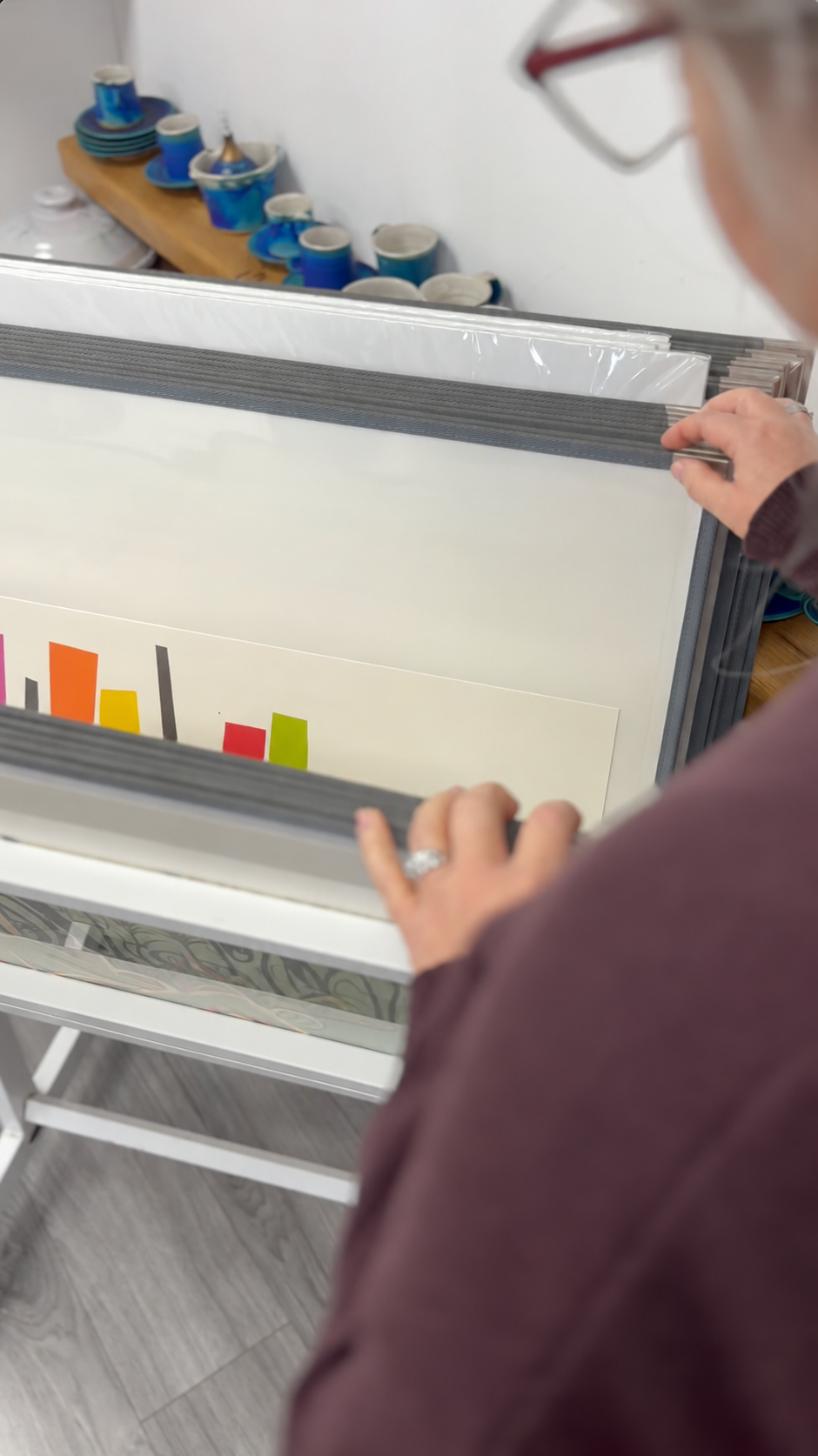
The Futerman collection.
Some of the work at Brook Gallery arrives with a history attached. The Futerman Collection was assembled by Ragnhild Futerman through her London company, Corporate Art. In the 1980s she was one of the first to offer original art to large companies as a complete service. She sourced the work, framed it to suit each interior and oversaw its installation, sometimes in buildings tall enough to test her specialist picture hanger. Her clients included Oracle, banks and hospitals, and she won a tender to furnish four floors for the investment bank Bear Stearns. She was also early to bring abstract work into corporate settings, at a time when most offices hung something safer.
Her buying was as considered as her selling. She bought limited editions in quantity; importantly often from CCA, one of the leading print publishers of the day, and later from London Contemporary Art and from the United States. As the business grew, directors began asking her to advise on their own homes. That brought paintings and bronzes into her hands, bought at Christie's and Sotheby's or directly from artists.
The collection came to Brook Gallery some years after Ragnhild retired. It includes work from familiar names; Jan Balet, Mary Fedden, Julian Trevelyan, Anna Pugh, Eric Hewitson and John McNulty to name but a few. Much of it was chosen in the late twentieth century, ahead of its time, and many of the artists she backed then are the names collectors seek out now. It sits naturally alongside the artists Brook represents today.
For a buyer, provenance matters. Corporate work had to earn its place on the wall, because it would be looked at every day by people who hadn't chosen it. Every print from the collection is identified in its artist profile, so you know exactly where it has come from.